
Ladybugs in the Garden: Why They Matter, How They Help, and How to Attract Them
Ladybugs—also known as lady beetles or ladybird beetles—are often celebrated for their charming appearance, but their true value lies in the powerful role they play in healthy gardens and ecosystems. These small, spotted insects form a beneficial, often symbiotic relationship with humans by helping manage pests, supporting pollination, and serving as accessible ambassadors for biodiversity and ecological education. When gardeners intentionally attract and sustain ladybugs, they reduce reliance on chemical pesticides, protect beneficial insects, and encourage a more balanced, resilient garden system. Did you know? You can even order ladybugs direct to your mailbox! CLICK HERE.
Understanding why ladybugs are beneficial—and how to support them—starts with appreciating their ecological role, life cycle, and needs. With a few thoughtful design and maintenance choices, gardeners can transform their landscapes into welcoming habitats that support ladybugs year-round.
Why Ladybugs Are Beneficial to the Garden
Natural Pest Control Powerhouses
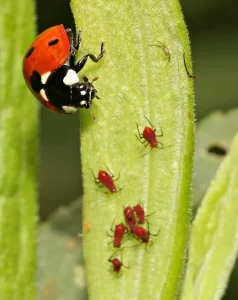
Ladybugs are best known for their appetite for garden pests, particularly soft-bodied insects that damage plants. A single ladybug can consume dozens of aphids per day, and over its lifetime, hundreds to thousands. Ladybug larvae—often mistaken for pests themselves—are even more voracious, feeding continuously as they grow.
Common pests targeted by ladybugs include:
-
Aphids
-
Whiteflies
-
Mealybugs
-
Scale insects (especially during immature stages)
-
Spider mites
By naturally reducing pest populations, ladybugs help prevent plant stress, disease spread, and yield loss in both ornamental and edible gardens. This biological control is not only effective, but also sustainable—supporting long-term plant health without harming soil life, pollinators, or water systems.
Reducing the Need for Chemical Pesticides
When ladybugs are present and supported, gardeners can significantly reduce or eliminate pesticide use. Chemical sprays often kill beneficial insects along with pests, creating a cycle where pest populations rebound quickly while predators disappear. Ladybugs help break this cycle by restoring balance.
Healthy predator-prey relationships allow gardens to self-regulate. Instead of reacting to pest outbreaks with chemicals, gardeners can rely on ecological processes that are quieter, safer, and far more resilient over time.
Supporting Pollination
Although ladybugs are not primary pollinators like bees or butterflies, they do contribute to pollination as they move from plant to plant feeding on pollen, nectar, and pests. Their activity helps transfer pollen among flowers—especially in gardens with many small, clustered blooms.
In diverse landscapes, every pollinating action matters. Ladybugs complement the work of other insects, helping maintain plant reproduction and genetic diversity across flowering species.
The Ecological Role of Ladybugs
A Key Player in the Food Web
Ladybugs occupy an important middle position in the garden food web. As predators, they regulate herbivorous insects that feed on plants. At the same time, ladybugs serve as food for birds, frogs, spiders, and other insects—connecting multiple levels of the ecosystem.
Their presence indicates a functioning, layered environment where energy flows naturally between plants, herbivores, predators, and decomposers. Gardens that support ladybugs are often healthier overall, with improved soil life, plant vigor, and wildlife diversity.
Indicators of Biodiversity and Garden Health
Ladybugs are considered a bioindicator species. When they are abundant, it often signals that a garden has:
-
Minimal chemical use
-
Diverse plant species
-
Adequate food sources
-
Shelter and overwintering sites
Conversely, their absence can indicate ecological imbalance, such as monoculture plantings or heavy pesticide use. Observing ladybugs helps gardeners “read” the health of their landscape and adjust practices accordingly.
Educational Value and Stewardship
Ladybugs are excellent tools for teaching children and adults about ecology, life cycles, and environmental stewardship. Their visibility, gentle nature, and dramatic transformation from larva to adult make them ideal subjects for hands-on learning.
Gardens that highlight ladybugs encourage curiosity and respect for insects—fostering a mindset that values coexistence rather than eradication. This educational role is especially important as insect populations face global decline.
Understanding the Ladybug Life Cycle
To successfully attract and sustain ladybugs, it’s essential to understand their short but impactful life cycle.
-
Egg Stage
Ladybugs lay clusters of tiny yellow or orange eggs on the underside of leaves, usually near aphid colonies. This ensures immediate food access for emerging larvae. -
Larval Stage
Ladybug larvae look nothing like the adults—elongated, dark, and spiky. This stage lasts several weeks and is when they consume the most pests. -
Pupal Stage
Larvae attach themselves to leaves or stems and pupate. During this time, they transform internally into adults. -
Adult Stage
Adult ladybugs emerge, mate, feed, and continue the pest-control cycle. Depending on conditions, multiple generations can occur in a single growing season.
Gardens that provide food, shelter, and water at each stage are far more successful at retaining ladybugs long-term.
Attracting and Sustaining Ladybugs: The Basics
Ladybugs will only stay where their needs are met. While they may visit briefly, long-term populations require intentional support.
Food Sources: The Foundation of Ladybug Habitat
Ladybugs rely on a combination of pest insects, nectar, and pollen. When pest populations drop, nectar and pollen become essential for survival.
Planting a diverse mix of flowering plants with small, clustered blooms is one of the most effective ways to attract and sustain ladybugs. These flowers provide accessible nectar and pollen suited to ladybugs’ short mouthparts.
Recommended plants include:
-
Butterfly weed
-
Cilantro
-
Coreopsis
-
Cosmos
-
Dill
-
Fennel
-
Marigolds
-
Oregano
-
Queen Anne’s lace
-
Thyme
-
Yarrow
Grouping these plants in clusters rather than scattering them increases visibility and efficiency for foraging insects. Diversity ensures that something is blooming across seasons, preventing food gaps.
Leaving Some “Weeds” on Purpose
Perfectly manicured gardens often lack ecological value. Allowing certain beneficial “weeds” to remain can dramatically improve habitat quality.
Plants like dandelions and yarrow:
-
Bloom early when few other flowers are available
-
Provide quick-access nectar and pollen
-
Serve as pest reservoirs that sustain ladybugs between outbreaks
Leaving these plants between vegetables or near susceptible ornamentals creates a living buffer that supports predators before pests become a problem.
Shelter, Protection, and Overwintering Sites
Dense Vegetation and Structural Diversity
Ladybugs need places to hide from predators, heavy rain, wind, and intense heat—especially in climates like Florida. Shrubs, ornamental grasses, hedges, and layered plantings provide essential refuge.
Dense vegetation:
-
Reduces temperature extremes
-
Protects larvae and pupae
-
Encourages longer stays and breeding
Avoid overly open landscapes where insects are exposed. Instead, design gardens with vertical and horizontal layers.
Mulch, Leaf Litter, and Natural Debris
Ladybugs often overwinter in leaf litter, mulch, bark, and garden debris. While spring cleanup is important, removing everything can eliminate overwintering insects.
Leaving some natural material:
-
Provides insulation during cold snaps
-
Protects adults during dormancy
-
Supports soil organisms that benefit plants
A balance between tidiness and habitat is key.
Water Access: The Overlooked Essential
Ladybugs need water, but they can easily drown in open containers. Provide shallow, safe sources such as:
-
Shallow dishes with pebbles
-
Birdbaths with stones for landing
-
Light misting on foliage
Consistent water access supports hydration, reproduction, and overall survival—especially during hot or dry periods.
Gardening Practices That Support Ladybugs
Avoid Broad-Spectrum Pesticides
Even organic or “natural” pesticides can harm ladybugs. Neem oil, insecticidal soaps, and pyrethrins should be used sparingly and only when necessary.
When intervention is required:
-
Spot-treat affected plants
-
Apply in early morning or evening
-
Avoid spraying flowers
The goal is to protect predators while managing severe infestations.
Plant for the Long Term
Ladybugs thrive in gardens designed with longevity in mind. Perennials, shrubs, and self-seeding annuals create stable environments that support multiple generations.
Short-term plantings may attract ladybugs temporarily, but permanent landscapes allow populations to establish and return year after year.
Ladybugs and Sustainable Gardening
Ladybugs represent a shift away from control-based gardening toward collaborative gardening with nature. They remind us that healthy gardens are not pest-free, but balanced. By tolerating minor pest presence, gardeners allow predator populations to build—preventing major outbreaks naturally.
In this way, ladybugs support:
-
Soil health
-
Pollinator protection
-
Reduced chemical runoff
-
Stronger, more resilient plants
Their presence is a sign that a garden is functioning as an ecosystem, not just a decorative space.
Conclusion: Small Insect, Big Impact
Ladybugs may be small, but their impact on gardens and ecosystems is profound. They protect plants, support biodiversity, educate future stewards, and demonstrate how nature thrives when given the right conditions.
By planting diverse food sources, allowing some wildness, providing shelter and water, and avoiding harmful chemicals, gardeners can attract and sustain ladybugs with ease. In return, these tiny allies offer beauty, balance, and a living lesson in ecological harmony.
A garden with ladybugs is more than a garden—it’s a thriving, interconnected system where every creature has a role, and nature does much of the work for us.
Trending Products

NUU GARDEN 5 Piece Outdoor Dining S...

Best Choice Products Set of 2 Adjus...

EAGLE PEAK Urban Slate Modern Patio...

Ainfox 3 Piece Patio Outdoor Furnit...

LEVELEVE Balcony Furniture 5 Piece ...

Best Choice Products 3-Piece Outdoo...

Grand patio Outdoor Rocking Chair, ...

Pamapic Outdoor Set Outside Convers...

Outsunny 2-Person Outdoor Glider Be...
